Sustainability Director Ida Ljungkvist elected to risk crops steering committee
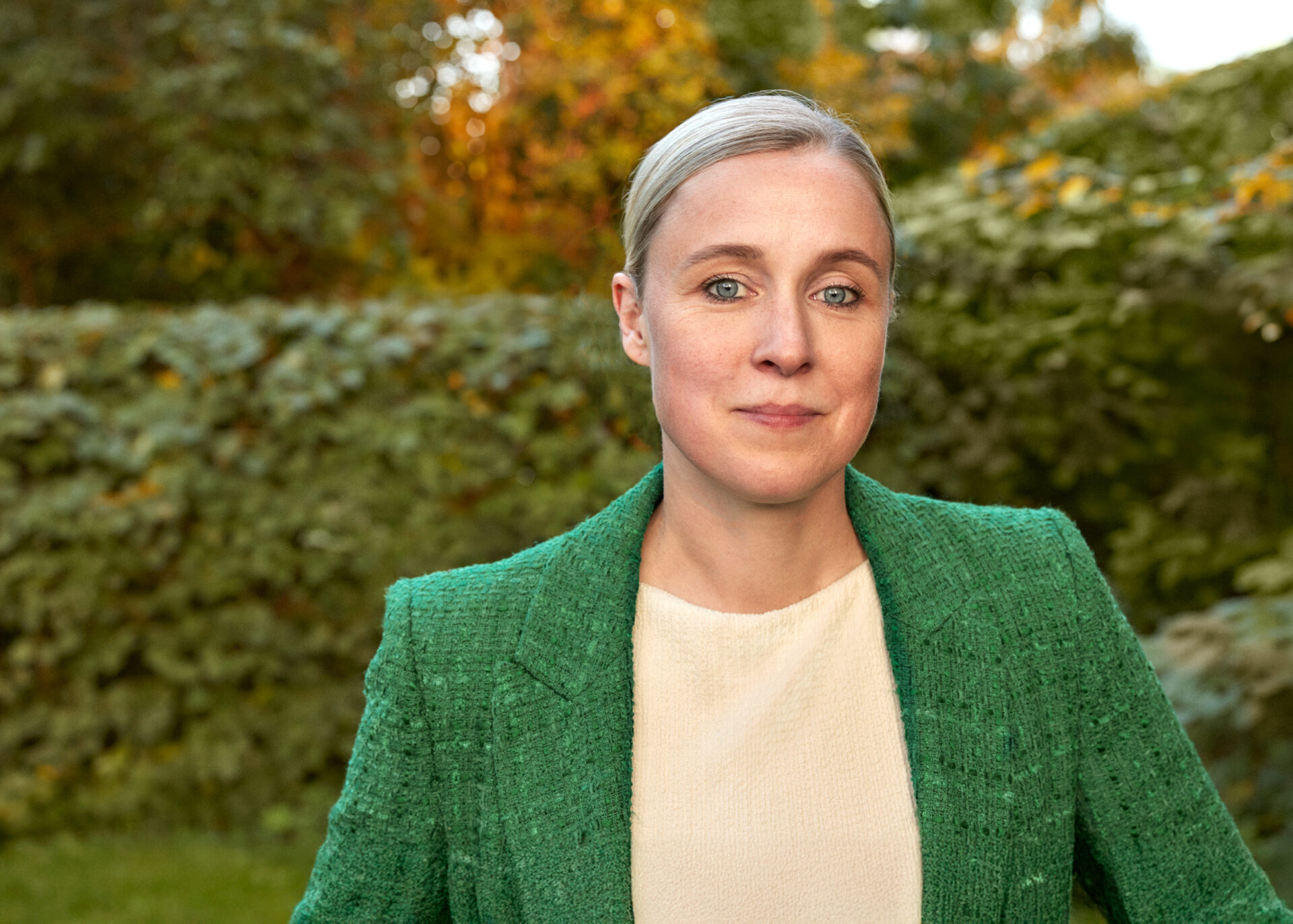
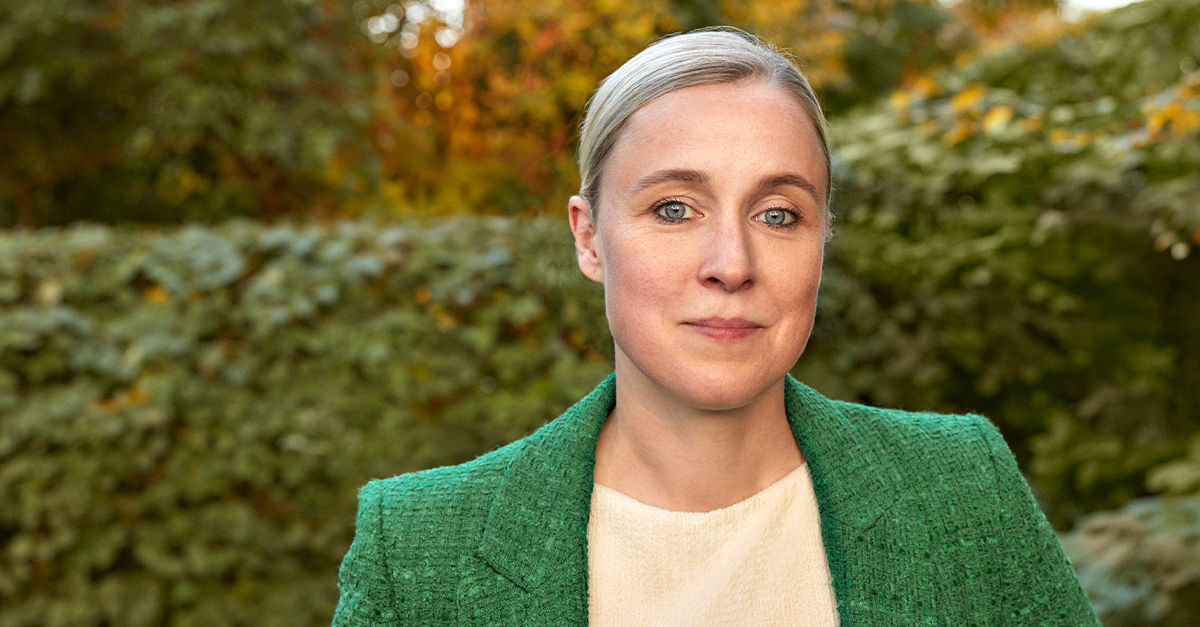
We are proud to share that Ida Ljungkvist, Sustainability Director at Scandi Standard, has been elected to the steering committee of the Swedish Platform for Risk Crops (Svenska plattformen för riskgrödor), coordinated by Etisk Handel Sverige – Ethical Trade Sweden.
What is the Swedish Platform for Risk Crops?
The platform brings together companies and organizations across the Swedish food industry to address the challenges linked to high-risk crops such as soy and palm oil. These crops are essential in global food production but are often associated with serious risks in supply chains, including deforestation, loss of biodiversity, climate change, and human rights violations.
By joining forces, members aim to set common requirements and accelerate the transition toward responsible sourcing practices. The platform brings together representatives from across the Swedish food industry, including Lantmännen, Arla Foods, Coop, WWF, KRAV ekonomisk förening, Livsmedelsföretagen, and Svensk Dagligvaruhandel, to advance responsible sourcing of high-risk crops such as soy and palm oil. The steering committee sets the framework and priorities for the platform’s work, ensuring that efforts are ambitious and effective.
Why this matters for Scandi Standard
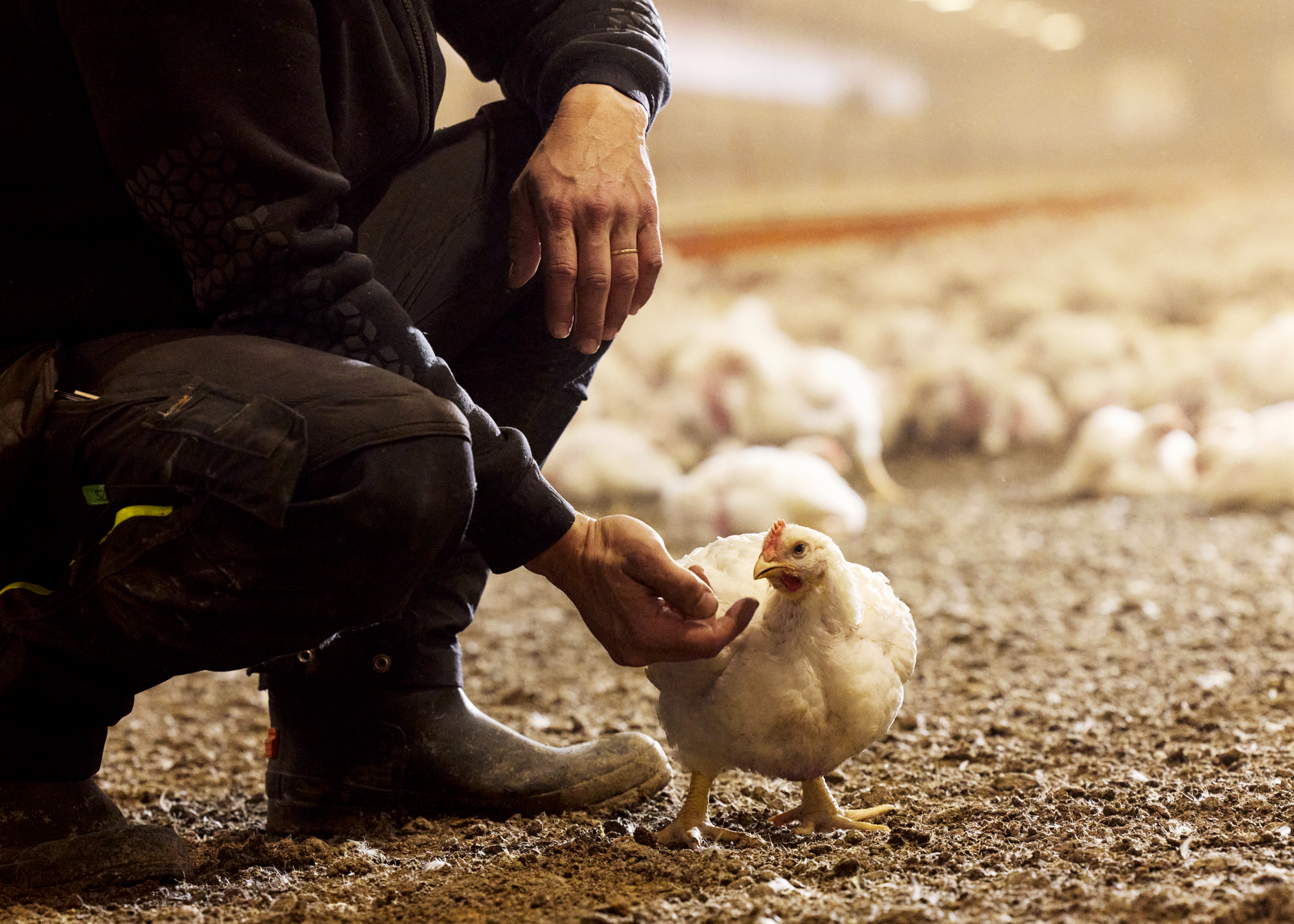
Feed accounts for up to 70–80% of Scandi Standard’s value chain emissions, making it a critical focus area in our climate and biodiversity strategy. Soy is an important protein source in poultry feed, but its production can be linked to deforestation and other environmental risks.
Our approach includes reducing the share of soy in feed, sourcing soy that is traceable and verified as responsibly produced, and exploring alternative protein sources such as oats, beans, and rapeseed. Through ongoing feed trials and collaboration with suppliers and customers, we are taking concrete steps to minimize negative impacts on nature and biodiversity.
– Being part of the steering committee is an important step to help shape the food industry’s approach to sourcing of risk crops. I look forward to bringing the poultry business view to the table and to working together with other industry members to drive real change. Collaboration is essential if we want to make a lasting impact, says Ida Ljungkvist.
Our commitment to biodiversity
Protecting biodiversity is fundamental to our business. Our strategy includes shifting towards local protein crops, reducing soy in chicken feed, and ensuring that the soy we use does not contribute to deforestation. These actions are part of our broader commitment to minimize environmental impact and support resilient ecosystems.
Explore our full Environmental Policy and Biodiversity Statement here.